What is a CVT Transmission Car? How It Works & City Driving
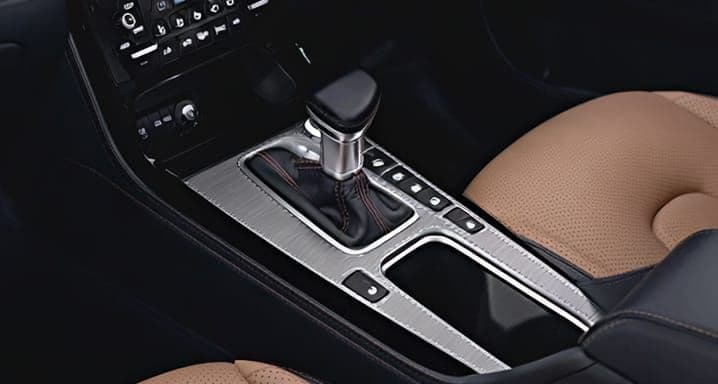
A Continuously Variable Transmission, or CVT, represents a modern alternative to traditional automatic and manual transmissions. Rather than relying on a fixed number of gears, CVT systems provide infinite gear ratios that adjust continuously based on driving demands. This technology delivers power smoothly without the noticeable pauses or jerks associated with conventional gear shifts, creating a more predictable and comfortable driving experience for everyday use.
The CVT system functions through two cone-shaped pulleys connected by a reinforced belt. As you accelerate from a standstill, the engine pulley narrows while the wheel pulley widens, providing strong pulling force. As speed increases, this relationship reverses, allowing the vehicle to cruise at higher speeds with lower engine RPM. This continuous adjustment happens silently and seamlessly, automatically matching the transmission ratio to your speed and acceleration requirements without driver intervention.
City driving demands constant speed adjustments, frequent braking, and navigation through congested traffic. CVT-equipped vehicles excel in these environments by eliminating gear-shift jerks, automatically maintaining optimal engine efficiency, and reducing driver fatigue during stop-and-go commutes. The smooth power delivery keeps passengers comfortable while the automatic optimisation helps achieve better fuel economy in urban conditions.
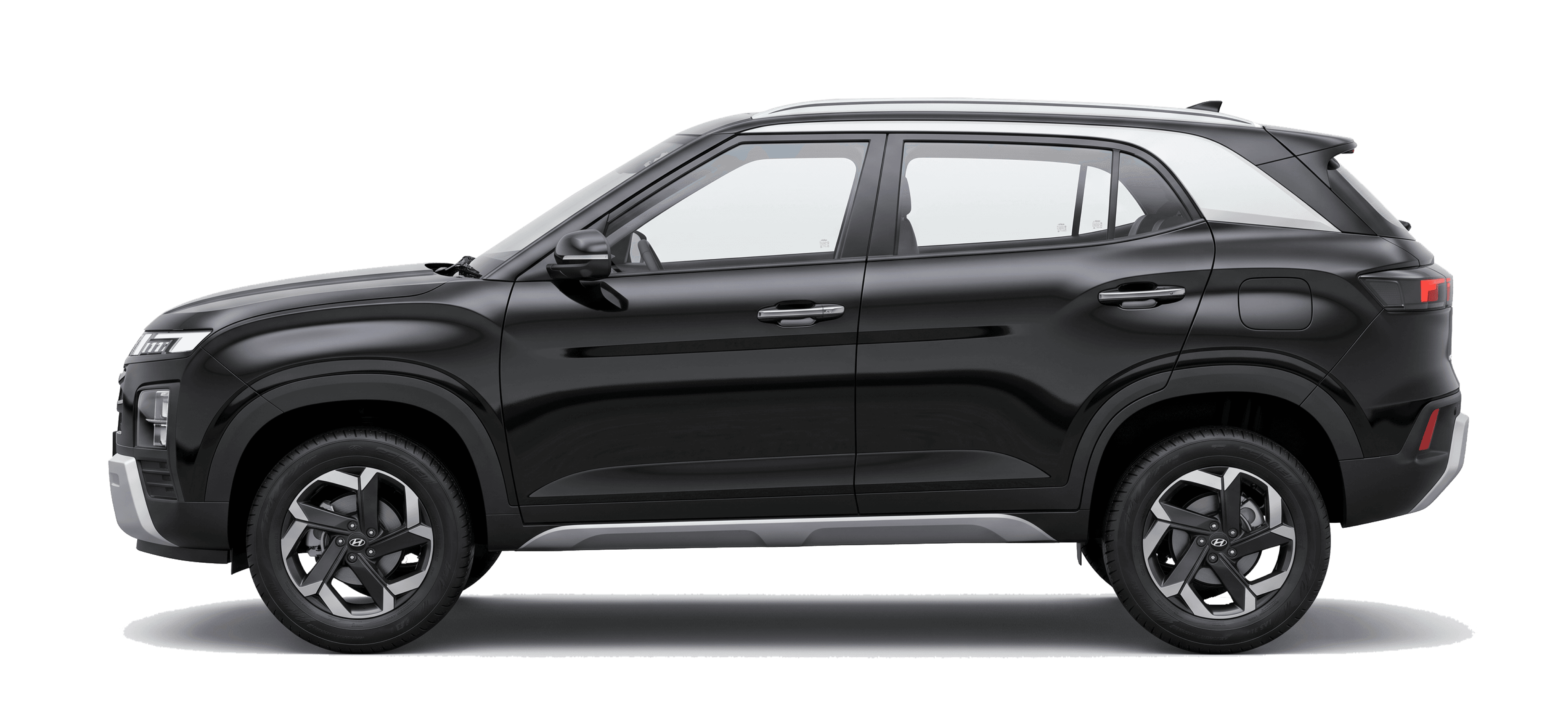
Hyundai's Intelligent Variable Transmission technology builds upon conventional CVT benefits with enhanced efficiency and refinement. The IVT system is designed to provide smoother operation, responsive performance, and improved driving comfort, adapting to Indian road conditions and traffic patterns. Hyundai offers CVT/IVT models including the i20 hatchback, VERNA sedan, and CRETA SUV, each combining transmission technology with comfort-focused design for practical city transportation.